How Sindhis Rebuilt Success After Partition – A Story of Resilience, Business & Community Strength
How Sindhis Rebuilt Success After Partition – A Story of Resilience, Business & Community Strength
Introduction
The Partition of India changed countless lives forever.
Among the communities deeply affected were the Sindhis, who suddenly found themselves without a homeland, financial security, or certainty about the future.
Unlike many other communities, Sindhis faced a unique challenge.
After Partition, Sindh became part of Pakistan, and a large section of the Sindhi Hindu community migrated to India. Many families left behind:
- Homes
- Businesses
- Shops
- Agricultural land
- Wealth
- Community networks
Most arrived in India carrying little more than memories, courage, and determination.
Yet what makes the Sindhi story extraordinary is this:
They rebuilt everything.
Without major political backing, without a dedicated state in India, and often without financial support, Sindhis transformed hardship into opportunity.
From refugee camps to global businesses, the journey of the Sindhi community after Partition remains one of the most inspiring examples of resilience and entrepreneurship.
This is the story of how Sindhis rebuilt success after Partition.
Understanding the Impact of Partition on Sindhis
The year 1947 brought massive migration across borders.
The event known as the:
Partition of India
led to the separation of India and Pakistan.
For Sindhis, Partition was particularly difficult.
Why?
Because unlike Punjab or Bengal, Sindhis did not receive a separate state in India.
Their homeland, Sindh, remained entirely in Pakistan.
This meant:
- Sudden displacement
- Loss of identity roots
- Economic uncertainty
- Social instability
Many families were forced to leave behind thriving businesses and properties.
Some traveled by crowded trains.
Others crossed borders through difficult routes.
Many had no guarantee of survival.
For countless Sindhi families, the migration experience was painful and uncertain.
\ 
Starting Again with Nothing
One of the strongest aspects of the Sindhi story is their ability to start again.
When Sindhis arrived in India, many lived in:
- Refugee camps
- Temporary shelters
- Railway stations
- Small rented rooms
Several settlements later became thriving communities.
Examples include:
Ulhasnagar, which became one of the largest Sindhi hubs in India.
Adipur and nearby settlements also welcomed displaced Sindhi families.
The early years were extremely difficult.
Families struggled with:
- Lack of money
- Limited jobs
- Housing shortages
- Cultural adjustment
Yet instead of giving up, Sindhis focused on rebuilding.
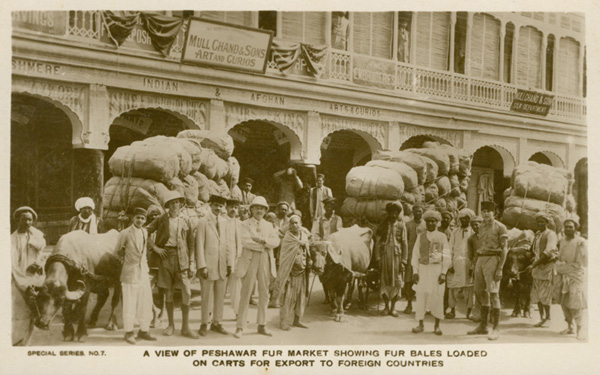
The Entrepreneurial Spirit of Sindhis
One major reason Sindhis rebuilt quickly was their entrepreneurial mindset.
Historically, Sindhis had strong experience in:
- Trading
- Commerce
- Imports and exports
- Retail business
- Textile trade
- Finance
Business was deeply connected to community culture.
Even after losing assets during Partition, many Sindhis still had:
Business Knowledge
Experience cannot be taken away.
Although money was lost, skills remained.
Risk-Taking Ability
Sindhis often believed in creating opportunities instead of waiting for them.
Adaptability
They adjusted quickly to changing situations.
Community Support
Families helped one another survive difficult times.
This mindset became the foundation of recovery.
Small Beginnings, Big Dreams
Many Sindhi families restarted with very small businesses.
Some sold:
- Clothes
- Household goods
- Imported products
- Textiles
- Stationery
- Electronics
Others worked as street vendors or traders.
People often started businesses from:
- Small shops
- Market stalls
- Temporary spaces
What mattered most was:
starting somewhere.
Gradually, these businesses expanded.
Small trading efforts slowly turned into established enterprises.
How Community Support Played a Major Role
The Sindhi community has historically valued relationships.
After Partition, community support became essential.
Families helped one another by:
- Sharing accommodation
- Providing loans
- Offering business opportunities
- Recommending suppliers
- Creating employment
Trust-based relationships strengthened economic recovery.
Many successful business partnerships started through community recommendations.
This spirit of mutual support helped families recover faster.
Why Sindhis Chose Business Over Jobs
Many Sindhis preferred entrepreneurship.
Why?
Because jobs were limited.
Instead of waiting for opportunities, they created them.
Entrepreneurship offered:
- Financial independence
- Flexibility
- Growth potential
Many believed:
“If opportunity does not exist, create it.”
This mindset remains strong in the community even today.
The Rise of Sindhi Business Communities Across India
As Sindhis settled in different cities, strong business communities emerged.
Popular hubs included:
Mumbai
Ahmedabad
Jaipur
Delhi
Indore
Sindhi entrepreneurs entered industries such as:
- Garments
- Real estate
- Electronics
- Hospitality
- Retail
- Manufacturing
Their businesses gradually expanded.
Many local businesses eventually became national brands.
Education and Adaptability
Sindhi families strongly encouraged learning.
Even while rebuilding financially, education remained important.
The younger generation adapted quickly to:
- English education
- Modern business systems
- Technology
This adaptability helped Sindhi entrepreneurs grow faster.
Over time, businesses evolved from traditional trading to:
- Corporate business
- Startups
- International trade
- Technology companies
Global Success of Sindhi Entrepreneurs
The Sindhi business mindset extended beyond India.
Sindhi entrepreneurs expanded internationally.
Today, Sindhi-owned businesses exist in:
United Arab Emirates
United States
United Kingdom
Hong Kong
Singapore
The global Sindhi network became a major strength.
Community trust helped businesses grow across borders.
Famous Sindhi Entrepreneurs Who Inspire Millions
Several successful business leaders come from Sindhi backgrounds.
Examples include:
Kumar Mangalam Birla
Gopichand Hinduja
Niranjan Hiranandani
These leaders demonstrate how entrepreneurship and resilience continue shaping Sindhi success stories.
The Role of Sindhi Values in Business Success
Several cultural values helped Sindhis rebuild success.
Hard Work
Many families worked tirelessly for survival.
Trust
Relationships became business foundations.
Family Support
Businesses often grew through family teamwork.
Adaptability
Changing markets were embraced quickly.
Optimism
Despite hardships, people continued moving forward.
These values continue influencing Sindhi entrepreneurs.
Lessons Modern Entrepreneurs Can Learn from Sindhis
The Sindhi Partition story teaches valuable lessons.
1. Never Give Up
Success often comes after struggle.
2. Start Small
Big businesses often begin modestly.
3. Relationships Matter
Networking creates opportunities.
4. Adapt to Change
Flexibility supports growth.
5. Community Strength Matters
Helping others strengthens everyone.
These lessons remain relevant for modern startups.
Challenges the Community Still Faces
Despite success, challenges remain.
Some younger generations are less connected to:
- Language
- Cultural identity
- Community networking
Digital platforms now help reconnect entrepreneurs.
Community-focused business ecosystems continue evolving.
Why the Sindhi Story Still Matters Today
The Sindhi experience after Partition is more than history.
It represents:
- Courage
- Resilience
- Entrepreneurship
- Community power
In today’s uncertain world, this story reminds entrepreneurs that setbacks can become opportunities.
The community’s journey proves that success is possible even after major loss.
The Future of Sindhi Entrepreneurship
Modern Sindhi entrepreneurs are now combining:
- Traditional trust
- Global networking
- Technology
- Digital branding
Young business owners are building:
- Startups
- E-commerce brands
- Tech businesses
- Service companies
The future remains promising.
Conclusion
The story of how Sindhis rebuilt success after Partition is one of the most inspiring examples of resilience in modern history.
Forced to leave behind homes, businesses, and financial security, Sindhis arrived in India with uncertainty—but refused to surrender to hardship.
Through determination, community support, entrepreneurship, and hard work, they rebuilt businesses, supported families, and created opportunities for future generations.
From refugee camps to successful enterprises, the journey demonstrates a powerful truth:
Success is not defined by where you start—it is defined by how you rise after challenges.
Today, Sindhi entrepreneurs continue inspiring millions around the world.
Stay connected, grow your network, and celebrate the entrepreneurial spirit with SindhiBusiness.
FAQ – How Sindhis Rebuilt Success After Partition
1. Why did Sindhis migrate after Partition?
After the 1947 Partition, Sindh became part of Pakistan, forcing many Sindhi Hindu families to migrate to India.
2. Did Sindhis lose businesses during Partition?
Yes, many families left behind homes, shops, businesses, and wealth.
3. How did Sindhis rebuild success?
Through entrepreneurship, hard work, community support, and adaptability.
4. Why are Sindhis known for business?
Historically, many Sindhis were involved in trade, commerce, and business.
5. Which cities became Sindhi hubs after Partition?
Cities like Ulhasnagar, Mumbai, Ahmedabad, Jaipur, and Delhi became major centers.
6. What business lessons can entrepreneurs learn from Sindhis?
Resilience, adaptability, networking, trust, and starting small.
- How Sindhis rebuilt success after Partition
- Sindhi community after Partition
- Sindhi business success story
- Sindhi entrepreneurs
- Sindhi history after Partition
- Sindhi business community
- Sindhi resilience
- Sindhi success in India
- Sindhi entrepreneurship
- SindhiBusiness
- Sindhi migration after Partition
- Sindhi refugee business success
- Sindhi business culture
- Sindhi community history
- Sindhi entrepreneurs in India
- Sindhi success stories
- Sindhi business mindset
- Sindhi culture and business